How to Keep Your Tennessee Home Allergy-Free During Pollen Season

If you live in the Tri-Cities, you know the struggle: that familiar yellow coating on your car, constant sneezing, itchy eyes, and feeling miserable despite taking allergy medication. Tennessee consistently ranks in the top 30 worst places for allergies in the United States, and our pollen season runs nearly year-round—from late February through late November.
At Sparkling Saige, we work with allergy sufferers throughout Johnson City, Kingsport, and Bristol who are desperate for relief. While we can't control outdoor pollen levels, we can help you create an allergen-free sanctuary inside your home. Here's how to minimize indoor allergens during Tennessee's brutal pollen season.
Understanding Tennessee's Allergy Season
Our allergy season is particularly challenging because different allergens dominate at different times.
Late February - May: Tree Pollen Oak, cedar, pine, birch, and maple trees release massive amounts of pollen. This is typically the worst period for Tri-Cities residents.
Late May - July: Grass Pollen Bermuda grass, Timothy grass, and other common lawn grasses add to the misery.
August - November: Ragweed and Mold Ragweed pollen peaks in September and is one of the most allergenic pollens. Fall mold from decaying leaves adds to the problem.
The Tri-Cities specific challenge: Our Tennessee Valley location traps pollen. The surrounding mountains create a bowl effect where pollen settles and concentrates rather than blowing away.
Year-round allergens: Dust mites, pet dander, and indoor mold affect people all year but worsen when homes are closed up with heating or AC running.
Why Indoor Allergern Control Matters
You might think staying indoors protects you from pollen. Unfortunately, allergens follow you inside.
How allergens get indoors:
On your clothes, shoes, and skin after being outside
Through open windows and doors
On pets who go outside
Through HVAC systems
Tracked in on visitors
Studies show that indoor allergen levels often mirror outdoor pollen counts with a 1-2 day delay. This means your home becomes a reservoir of allergens that continue affecting you long after the pollen count drops outside.
The good news: Indoor allergens can be controlled through cleaning and lifestyle changes. Many of our clients report dramatic symptom improvement simply by implementing the strategies below.
Strategic Cleaning to Reduce Allergens
Regular cleaning removes allergens before they accumulate. But technique matters—some cleaning methods actually spread allergens rather than removing them.
Vacuum with HEPA Filtration
This is the single most important tool for allergen control.
Why HEPA matters: Regular vacuum cleaners capture large particles but exhaust smaller particles (including pollen and dust mite feces) back into the air. HEPA (High Efficiency Particulate Air) filters capture 99.97% of particles as small as 0.3 microns—including most allergens.
Vacuuming schedule for allergy sufferers:
High-traffic areas and bedrooms: 2-3 times per week minimum
Other carpeted areas: Weekly
Upholstered furniture: Weekly with upholstery attachment
Mattresses: Monthly
Technique tips:
Vacuum slowly—quick passes don't capture embedded allergens
Use multiple passes in high-traffic areas
Empty the canister outside (or if using bags, seal them before disposing)
Clean or replace filters according to manufacturer directions
Recommended vacuums for allergy sufferers:
Dyson (various models with HEPA filtration)
Miele Complete C3 (excellent for allergies)
Shark Navigator with HEPA
For budget: Bissell CleanView with HEPA filter
Dust with Damp or Microfiber Cloths
Dry dusting spreads allergens into the air where you'll breathe them.
Better methods:
Damp dusting: Use a slightly damp microfiber cloth. The moisture traps dust instead of spreading it. Wring out the cloth well—you don't want drips.
Microfiber dry dusting: Quality microfiber cloths have an electrostatic charge that attracts and holds dust. They're more effective than feather dusters or regular cloths.
What to dust:
All horizontal surfaces (tables, shelves, nightstands)
Ceiling fan blades (major dust collectors)
Light fixtures
Window sills (heavy pollen collectors)
Picture frames and wall decor
Electronics
Baseboards
Dusting schedule: During high pollen season: 2-3 times per week Rest of year: Weekly
Clean Window Sills and Tracks Weekly
Windows are ground zero for pollen infiltration.
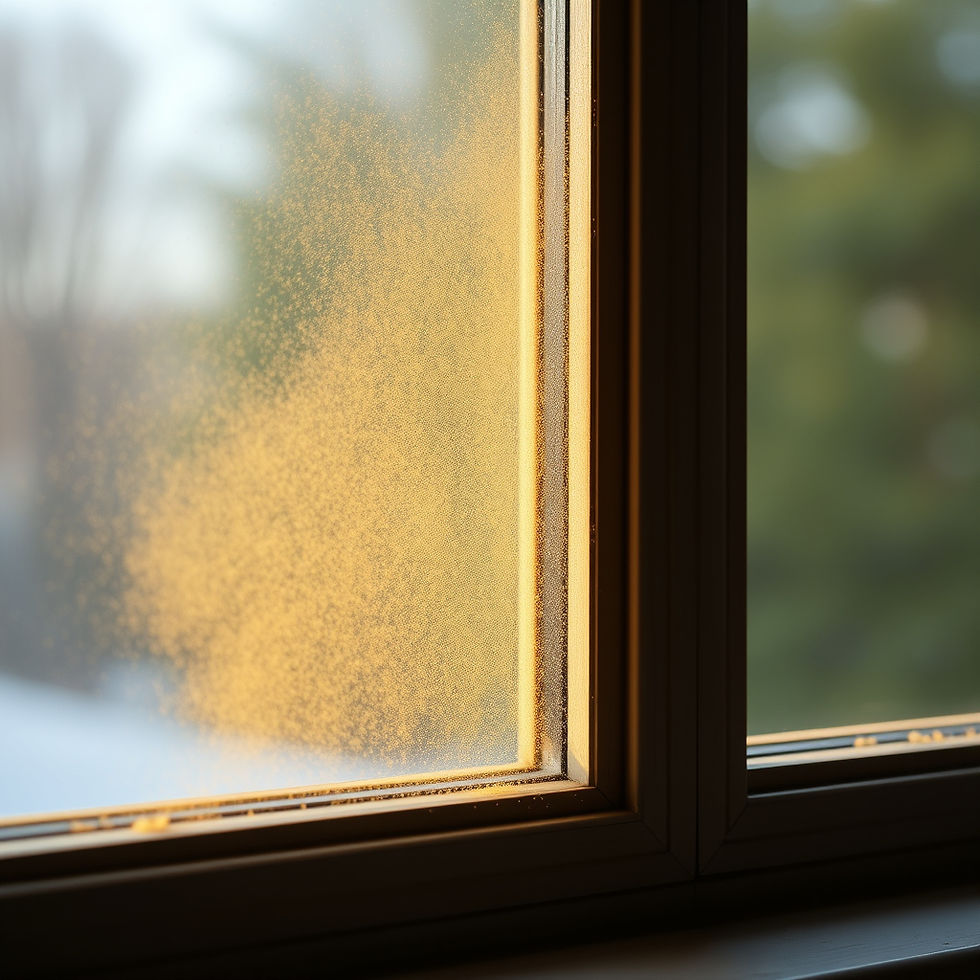
Why this matters: Even closed windows let in some pollen through tiny gaps. Window sills and tracks accumulate that yellow film we all recognize during spring.
How to clean:
Step 1: Vacuum sills and tracks with vacuum crevice tool to remove loose pollen and dust.
Step 2: Wipe sills with a damp cloth. For tracks, wrap a cloth around a butter knife or use an old toothbrush to get into crevices.
Step 3: Dry thoroughly to prevent mold.
During peak pollen season (March-May), do this weekly. The visual difference will shock you.
Mop Hard Floors Weekly
Pollen and dust settle on hard floors where foot traffic grinds them into microscopic particles that become airborne.
Best method:
Vacuum or sweep first (vacuuming is better—it captures more)
Mop with a damp (not soaking wet) microfiber mop
Use plain water or a mild floor cleaner appropriate for your floor type
Rinse the mop frequently
Avoid: Swiffer-type dry sweeping—it can spread allergens into the air.
Wash Bedding in Hot Water Weekly
You spend 6-8 hours per night in bed. Your bedding accumulates dead skin cells (which feed dust mites), pollen from your hair and clothes, and allergens from the air.
Washing protocol for allergy sufferers:
Weekly:
Sheets and pillowcases in hot water (130°F minimum)
Use allergen-reducing laundry detergent or add 1/4 cup vinegar to rinse cycle
Every 2 weeks:
Mattress pad/protector
Blankets
Monthly:
Comforter or duvet (or send to cleaners)
Pillows (if washable—check tags)
Hot water is crucial: It's the heat, not just the detergent, that kills dust mites. Cold or warm water leaves them alive.
Clean Ceiling Fans and Air Vents
These accumulate dust and then distribute it throughout your home when running.
Ceiling fans: Wipe blades with a damp cloth monthly (more often during high pollen season). A pillowcase works great—slide it over the blade to trap dust as you wipe.
Air vents and returns: Remove vent covers and vacuum them. Wipe down with a damp cloth. Do this monthly during allergy season.
Don't Forget Hidden Allergen Collectors
Curtains and blinds: Vacuum curtains monthly with the upholstery attachment. For machine-washable curtains, wash seasonally. Wipe blinds with a damp cloth or use a microfiber duster designed for blinds.
Upholstered furniture: Vacuum weekly, especially if you have pets. Consider washable slipcovers.
Stuffed animals and decorative pillows: These collect dust. Wash regularly or put in the dryer on high heat for 15 minutes to kill dust mites.
Under furniture and beds: Pollen and dust accumulate where you can't see it. Move furniture quarterly and vacuum thoroughly.
HVAC System Strategies for Allergy Control
Your heating and cooling system significantly impacts indoor air quality.
Change Air Filters Monthly
During high pollen season, change filters every 3-4 weeks rather than the typical 3 months.
Choose filters wisely:
MERV rating: Indicates filtration level. MERV 8-11 is adequate for most homes. MERV 13+ is better for severe allergies (check your system can handle it—some can't).
HEPA filters: Not all HVAC systems accommodate true HEPA filters, but many can use HEPA-style filters.
Avoid: Cheap fiberglass filters—they only capture large particles.
Where to buy: Hardware stores, home improvement stores, or order online (often cheaper).
Clean Air Ducts if Necessary
Ductwork can accumulate years of dust, pollen, and mold.
When to consider duct cleaning:
Visible dust blowing from vents
Musty odors when system runs
Recent construction/renovation (creates dust in ducts)
Moving into a home where ducts haven't been cleaned in years
Rodent or insect infestation in ducts
Tri-Cities note: Our older homes often have ductwork from decades ago that's never been cleaned. Professional duct cleaning can make a dramatic difference.
Professional duct cleaning costs: $300-500 for an average home.
Consider an Air Purifier
For bedrooms or main living areas, a quality air purifier removes allergens from the air continuously.
What to look for:
True HEPA filter (not "HEPA-type")
Appropriate room size coverage
CADR (Clean Air Delivery Rate) rating—higher is better
Recommended models:
Coway AP-1512HH (great for bedrooms)
Levoit Core 300/400S (budget-friendly)
Blueair Blue Pure (larger rooms)
Dyson purifiers (expensive but effective)
Where to place: Bedrooms benefit most since you spend significant time there. Run continuously during high pollen season.
Use AC Instead of Opening Windows
This seems obvious but bears repeating: don't open windows during high pollen times.
Best practice:
Keep windows closed during pollen season (especially morning hours when pollen counts peak)
Run AC to keep home comfortable
AC filters air and reduces humidity (which helps with dust mites)
If you must open windows, do it in the evening when pollen counts are lower, and close them by morning
Check pollen forecasts: Weather.com, pollen.com, and local weather apps provide daily pollen counts. On very high pollen days, don't open windows at all.
Lifestyle Changes to Reduce Indoor Allergens
Create a "No Shoes" Policy
Shoes track in pollen, dirt, pesticides, and other allergens.
Implementation tips:
Keep a bench or shoe rack by doors
Provide indoor slippers for family and guests
Keep a basket of disposable shoe covers for guests who can't/won't remove shoes
Studies show: Shoes-off policies can reduce indoor allergen levels by 50% or more.
Shower Before Bed
Pollen accumulates in your hair and on your skin during the day.
Why bedtime showers help:
Removes pollen before you get in bed
Prevents transferring allergens to pillows and sheets
You'll breathe cleaner air all night
Morning shower people: At minimum, rinse your hair before bed during peak pollen season
Change Clothes After Being Outside
Don't wear the same clothes you wore outside while relaxing indoors.
Better practice:
Change immediately after coming home
Put outdoor clothes directly in the hamper (not on the bed!)
Wash outdoor clothes more frequently during pollen season
Keep Pets Clean
If you have pets that go outside, they're pollen delivery systems.
Strategies:
Wipe down pets with a damp cloth after outdoor time
Brush pets outside to remove loose fur and pollen
Bathe pets more frequently during pollen season (consult your vet on appropriate frequency)
Keep pets out of bedrooms if possible
Wash pet bedding weekly in hot water
Close Bedroom Doors
Keep your bedroom as allergen-free as possible.
Why:
You spend 1/3 of your life there
Closing the door reduces pollen and dust from the rest of the house entering
Combined with an air purifier, creates a clean air sanctuary
Tennessee Pollen Season Specifics
March-April: The Worst Weeks
Tree pollen peaks in early-mid spring. This is when Tri-Cities residents suffer most.
Extra measures for March-April:
Vacuum daily if possible
Change HVAC filters every 2-3 weeks
Shower every night
Wipe down window sills twice weekly
Run air purifiers 24/7
Keep windows closed completely
You'll notice: That yellow film on everything—cars, porches, window sills. That same pollen is trying to get into your house.
May-June: Grass Pollen
Grass cutting spreads massive amounts of pollen.
Strategies:
Have someone else mow if possible, or wear an N95 mask while mowing
Shower immediately after yard work
Keep grass cut short (longer grass produces more pollen)
Consider replacing some lawn with ground cover plants
September: Ragweed Peak
Ragweed is extremely allergenic and peaks in September in Tennessee.
Signs: If allergies worsen in early fall after improving mid-summer, ragweed is likely the culprit.
Same strategies: Increase cleaning frequency, keep windows closed, shower before bed.
Year-Round: Dust Mites
Dust mites thrive in Tennessee's humidity and are a major allergen.
Dust mite control:
Encase mattresses and pillows in allergen-proof covers (zips completely shut)
Wash bedding in hot water weekly
Reduce humidity below 50%
Remove carpeting from bedrooms if possible (hard floors harbor fewer dust mites)
Freeze stuffed animals overnight monthly (kills dust mites)
When Cleaning Isn't Enough: Medical Interventions
If you're following all these strategies and still miserable, medical help is available.
Options to discuss with your doctor:
Allergy medications (antihistamines, nasal steroids)
Allergy testing to identify specific triggers
Immunotherapy (allergy shots or sublingual tablets)
Knowing your specific allergens helps you target cleaning efforts. If you're allergic to dust mites but not pollen, for example, focus on bedding/carpet cleaning over window sills.
Professional Allergy-Focused Cleaning
For severe allergy sufferers, professional cleaning makes a significant difference.
What professionals do differently:
HEPA-filtered vacuums that remove more allergens
Specialized products that neutralize allergens
Thorough cleaning of often-neglected areas (ceiling fans, vents, under furniture)
Carpet deep cleaning that removes embedded allergens
Mattress cleaning with UV sanitizing
Duct cleaning services
At Sparkling Saige, many of our Tri-Cities clients schedule increased cleaning frequency during peak allergy season—weekly or bi-weekly instead of monthly. The investment in professional cleaning often reduces allergy medication needs.
Creating an Allergy Action Plan
Daily (during peak season):
Keep windows closed
Vacuum high-traffic areas
Wipe down window sills if pollen is visible
Shower before bed
2-3 Times Weekly:
Vacuum all carpeted areas
Dust all surfaces
Weekly:
Wash all bedding in hot water
Mop hard floors
Clean window sills and tracks
Vacuum upholstered furniture
Monthly:
Change HVAC filters
Deep clean one room (rotate through the house)
Wash curtains or vacuum them thoroughly
Clean ceiling fans and air vents
Seasonally:
Professional carpet cleaning
Duct cleaning (if needed)
Deep clean entire house before pollen season starts
The Bottom Line on Allergen Control in Tennessee
Tennessee's extended pollen season is challenging, but you don't have to suffer inside your own home. The combination of strategic cleaning, HVAC management, lifestyle changes, and air purifiers can create an allergen-free sanctuary even during the worst pollen days.
The key is consistency. These strategies work when done regularly—sporadic cleaning provides minimal relief. During peak season, increase frequency. As pollen counts drop, you can ease back.
For Johnson City, Kingsport, and Bristol residents with severe allergies, the investment in proper cleaning equipment, air purifiers, and potentially professional cleaning services often provides more relief than medication alone—and without side effects.
Suffering from allergies in your Tri-Cities home? Sparkling Saige offers allergen-focused cleaning services in Johnson City, Kingsport, Bristol, and surrounding areas. We use HEPA-filtered equipment and allergen-reducing techniques to help you breathe easier. Contact us for a free estimate!

Comments